
How to prepare for a cycling tour in Peru: 7 practical tips
· s1ipy
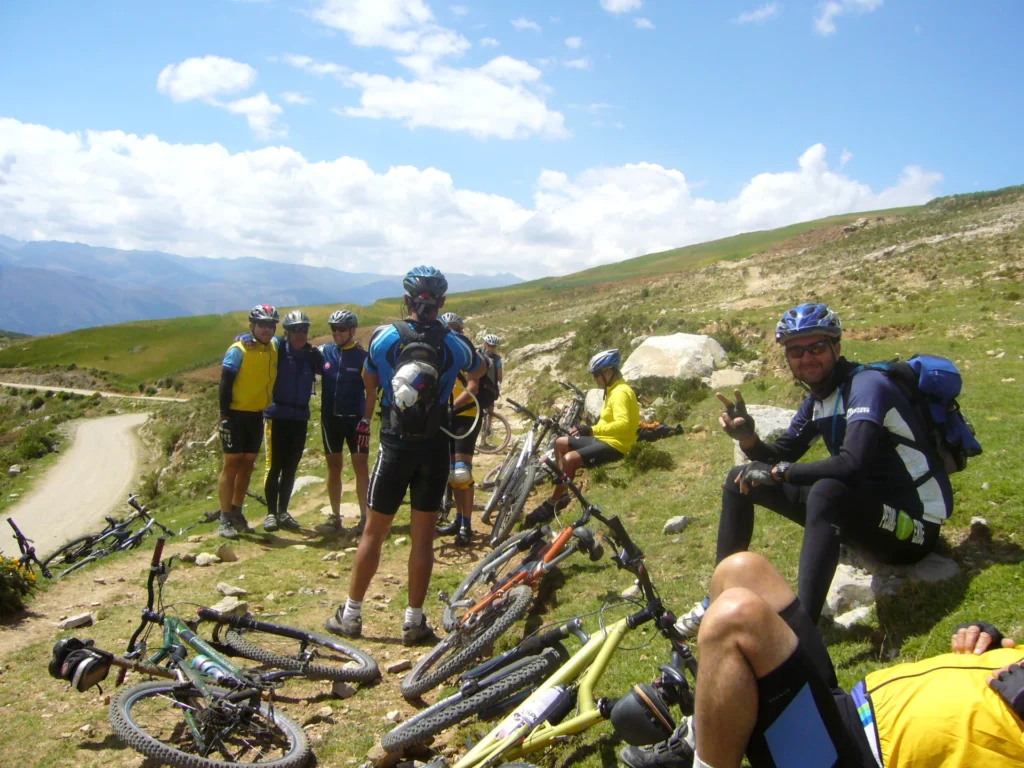
Peru can take you from Pacific clifftops to high mountain roads in a single journey. That variety is part of the adventure, but it also means that every cycling route deserves a little preparation. These seven practical tips will help you arrive ready to ride and make the most of the local experience.
1. Choose a route that matches your experience
Distance is only one part of a cycling tour. Consider the terrain, altitude, elevation gain, traffic and the number of hours on the bike. A relaxed ride through Lima is very different from a multi-day crossing of the Central Andes. Tell the operator honestly about your experience so the route and pace can be adapted when possible.
2. Allow time to adapt to altitude
If your itinerary reaches the Andes, plan enough time to rest and adapt before demanding stages. Move at a comfortable pace, stay hydrated and tell your guide immediately if you feel unwell. Travelers with health concerns should seek professional medical advice before booking a high-altitude activity.
3. Dress for changing conditions
Conditions can change quickly between the coast, valleys and mountains. Pack lightweight layers, a windproof or waterproof shell, cycling gloves, sunglasses and sun protection. Avoid relying on one heavy garment: several layers are easier to adjust during the day.
4. Confirm the bicycle and included equipment
Before the tour, confirm the type and size of bicycle, helmet and mechanical support included. Share your height and any fit preferences in advance. If you bring your own pedals, saddle or bicycle, ask how it should be packed and transported.
5. Carry the essentials, not unnecessary weight
Keep water, a small snack, personal medication, identification and a light extra layer within reach. For longer routes, use the luggage or support arrangements confirmed by the operator instead of carrying everything on the bike.
6. Follow the guide and communicate
Local guides know the traffic, terrain, weather and communities along the route. Listen to safety briefings, keep the agreed distance between riders and communicate fatigue or mechanical issues early. Good communication helps the whole group ride more safely and comfortably.
7. Leave room for the local experience
A cycling tour is not only about kilometers. Markets, food, history and conversations with local people are part of discovering Peru on two wheels. Arrive curious, respect local customs and let the landscape set the rhythm of the journey.
Ready to choose your route? Explore Peru Bike’s tours and contact the team to confirm the level, dates and services that best fit your trip.